Choosing the right approach to fixing a zipper off track starts with clear context, practical filters, and realistic expectations.
Introduction to Zipper Problems
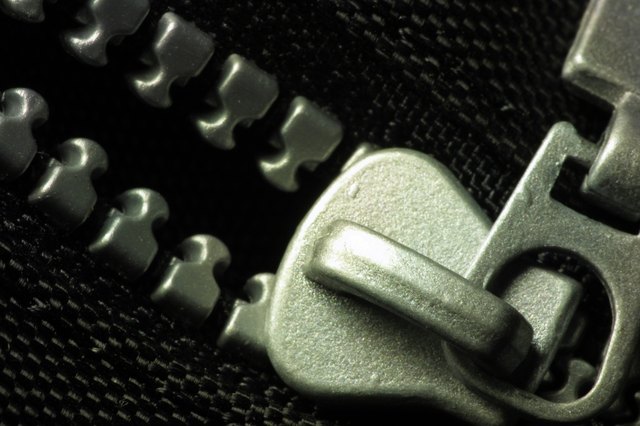
A zipper that has come off track can be frustrating, especially if it's on a favorite piece of clothing or an essential item like a backpack. Before diving into the fix, it's essential to understand how zippers work and why they might come off track. Zippers are made up of interlocking teeth that are designed to open and close with the help of a slider. When the slider is moved up or down, it either separates or joins these teeth, allowing the zipper to open or close.
Understanding the Cause To fix a zipper that has come off track, it's crucial to identify the cause of the problem.
This could be due to a variety of reasons, including misalignment of the zipper teeth, a broken or damaged slider, or blockages such as dirt, dust, or fabric lint that prevent the zipper from moving smoothly. In some cases, the problem might be with the zipper's stop, which is the piece at the top or bottom of the zipper that prevents the slider from coming off.
Assessing the Damage
Evaluating the Zipper

Before attempting to fix the zipper, assess the extent of the damage. Check if the teeth are bent, if the slider is broken, or if there are any blockages. In some cases, the issue might be with the fabric around the zipper, which could be torn or stretched, affecting the zipper's ability to move properly.
Checking for Blockages Blockages are a common cause of zippers coming off track.
These can include dirt, dust, or fabric lint that accumulates in the zipper's teeth or slider. Cleaning the zipper gently with a brush or a cloth can often resolve the issue. For more stubborn blockages, using a lubricant like silicone spray or wax can help loosen the debris and get the zipper moving smoothly again.
Choosing the Right Tools
For more complex repairs, having the right tools can make all the difference. Here are a few options: - Needle-nose pliers for bending teeth back into place or removing small blockages. - A seam ripper for carefully cutting away fabric that might be caught in the zipper. - A zipper repair kit, which usually includes a variety of sliders and stops that can be used to replace damaged parts. - A lubricant, such as silicone spray or wax, to keep the zipper running smoothly. - A pair of scissors for cutting away any excess fabric or thread that might be interfering with the zipper.
Preventing Future Issues Prevention is key when it comes to zippers.

To prevent your zipper from coming off track in the future, make sure to handle it gently. Avoid yanking or forcing the zipper, as this can cause the teeth to misalign or the slider to break. Regularly cleaning the zipper and applying a lubricant can also help keep it in good working condition.
Common Mistakes to Avoid When attempting to fix a zipper, there are several common mistakes to avoid. One of the most significant is using force, which can further damage the zipper or surrounding fabric. Another mistake is not properly aligning the zipper teeth before attempting to fix the issue, which can lead to the problem persisting.
Practical Applications Fixing a zipper that has come off track is not just about repairing clothing; it can also apply to other items like bags, tents, or even furniture.
The principles of identifying the cause, assessing the damage, and using the right tools can be applied universally. For example, a backpack with a broken zipper might require a more robust repair approach than a dress, but the initial steps of assessment and cleaning are similar.
Conclusion
Fixing a zipper that has come off track requires patience, the right tools, and a bit of knowledge.
By understanding the cause of the problem, assessing the damage, and using the appropriate techniques and tools, you can get your zipper working smoothly again. Remember, prevention is key, so handle your zippers with care and maintain them regularly to avoid future issues.